
Contents
- 1 Travel Landscape Photography
- 1.1 What Is Travel Landscape Photography?
- 1.1.1 Trick #1: Plan Your Trip Like a Photographer, Not a Tourist
- 1.1.2 Trick #2: Master Natural Light (Golden Hour Is King)
- 1.1.3 Trick #3: Use Foreground Elements to Add Depth
- 1.1.4 Trick #4: Travel Light, But Carry the Right Gear
- 1.1.5 Trick #5: Apply Composition Rules That Always Work
- 1.1.6 Trick #6: Tell a Story With Your Landscape Photos
- 1.1.7 Trick #7: Use Weather to Your Advantage
- 1.1.8 Trick #8: Edit With Purpose, Not Excess
- 1.1.9 Trick #9: Choose Accommodation That Supports Photography
- 1.1.10 Travel Planning Tips for Landscape Photographers
- 1.1.11 Why the USA Is Perfect for Travel Landscape Photography
- 1.1 What Is Travel Landscape Photography?
Travel Landscape Photography
Traveling across the United States opens the door to some of the most diverse and photogenic landscapes in the world. From rugged national parks and coastal highways to iconic city skylines and historic landmarks, travel landscape photography allows you to tell powerful visual stories while exploring new destinations.
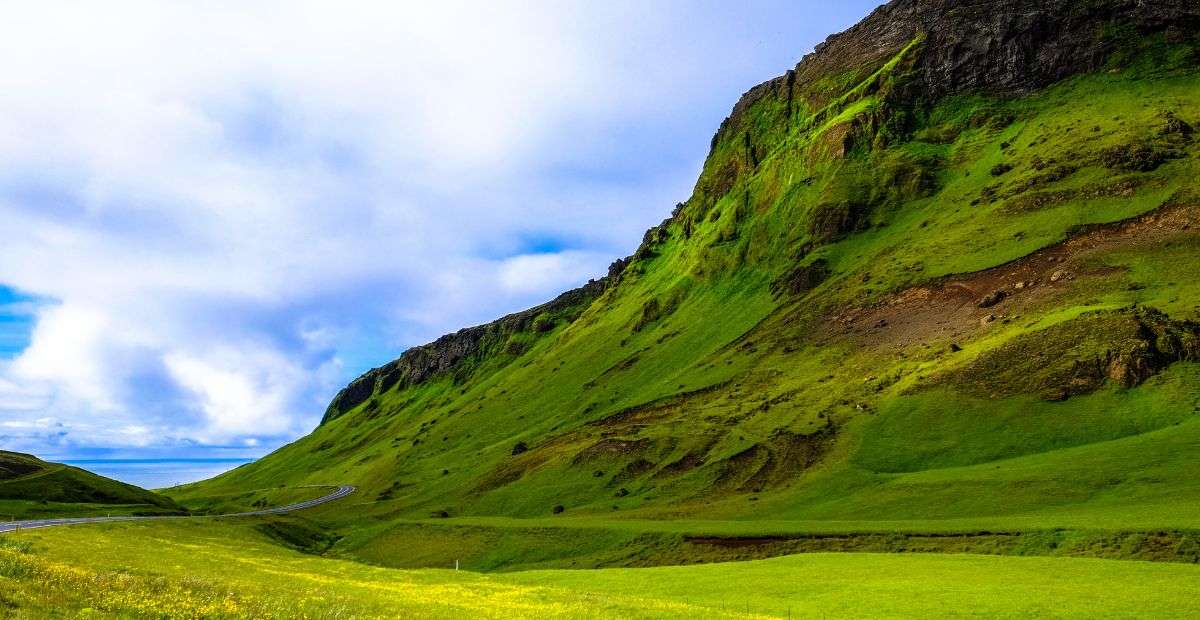
Whether you’re a beginner using a smartphone or an enthusiast carrying professional gear, mastering travel landscape photography is about more than just owning a good camera. It’s about planning, patience, composition, light, and understanding how travel logistics—from passports to hotels—affect your ability to capture the perfect shot.
This in-depth guide covers 9 proven tricks to help you elevate your travel landscape photography while traveling across the USA or internationally. Along the way, we’ll also touch on smart travel planning, choosing the right accommodation, and preparing essential documents so your journey stays smooth and stress-free.
What Is Travel Landscape Photography?
Travel landscape photography focuses on capturing wide scenes, environments, and locations while traveling. It blends traditional landscape photography with travel storytelling. Instead of photographing only mountains or oceans, you also include cities, roads, architecture, monuments, and cultural elements that define a place.
In the USA, travel landscape photography can include:
- National parks like Yosemite or Yellowstone
- Coastal scenes in California or Florida
- Desert landscapes in Arizona or Nevada
- Urban skylines in New York, Chicago, or Washington DC
- Historic landmarks, bridges, and scenic highways
The goal is not just to show a location, but to make viewers feel what it’s like to be there.
Trick #1: Plan Your Trip Like a Photographer, Not a Tourist
Great travel landscape photography begins long before you press the shutter button. Planning your travel with photography in mind dramatically increases your chances of capturing stunning images.
Research Locations in Advance
Before traveling, study:
- Popular viewpoints and hidden spots
- Sunrise and sunset angles
- Seasonal weather patterns
- Crowd levels and access times
Many iconic photos are taken from very specific locations at very specific times. Knowing this ahead of time saves frustration and wasted travel days.
Sort Travel Documents Early
If your journey includes international travel or future overseas trips, take care of the documents required for passport well in advance. Delays in passport processing can disrupt travel schedules, causing missed seasons, bad lighting conditions, or lost opportunities for photography.
Build a Flexible Itinerary
Weather changes, crowds, and unexpected moments often produce the best shots. Leave room in your schedule to return to locations or wait for better light.
Trick #2: Master Natural Light (Golden Hour Is King)
Lighting is the single most important factor in travel landscape photography.
Golden Hour
Golden hour occurs shortly after sunrise and before sunset. The soft, warm light adds depth, color, and mood to landscapes. Shadows are longer, skies are richer, and textures become more visible.
Blue Hour
Blue hour happens just before sunrise and after sunset. Cityscapes, monuments, and skylines look dramatic during this time, especially when lights turn on.
Midday Light (Use Carefully)
Midday sun creates harsh shadows and flat images, but it can still work:
- In deserts with strong textures
- On cloudy days
- When shooting reflections or symmetry
Learning to read light will instantly improve your travel landscape photography results.
Trick #3: Use Foreground Elements to Add Depth
One of the most common beginner mistakes in travel landscape photography is capturing flat, empty scenes. Adding a foreground element creates depth and visual interest.
Effective Foreground Ideas
- Rocks, flowers, or sand
- Roads, bridges, or walkways
- Railings, fences, or stairs
- People for scale
For example, when photographing city landmarks near the best hotels in Washington DC downtown, including nearby streets or architectural details can turn a simple snapshot into a professional image.
Foreground elements guide the viewer’s eye into the scene and make photos feel immersive.
Trick #4: Travel Light, But Carry the Right Gear
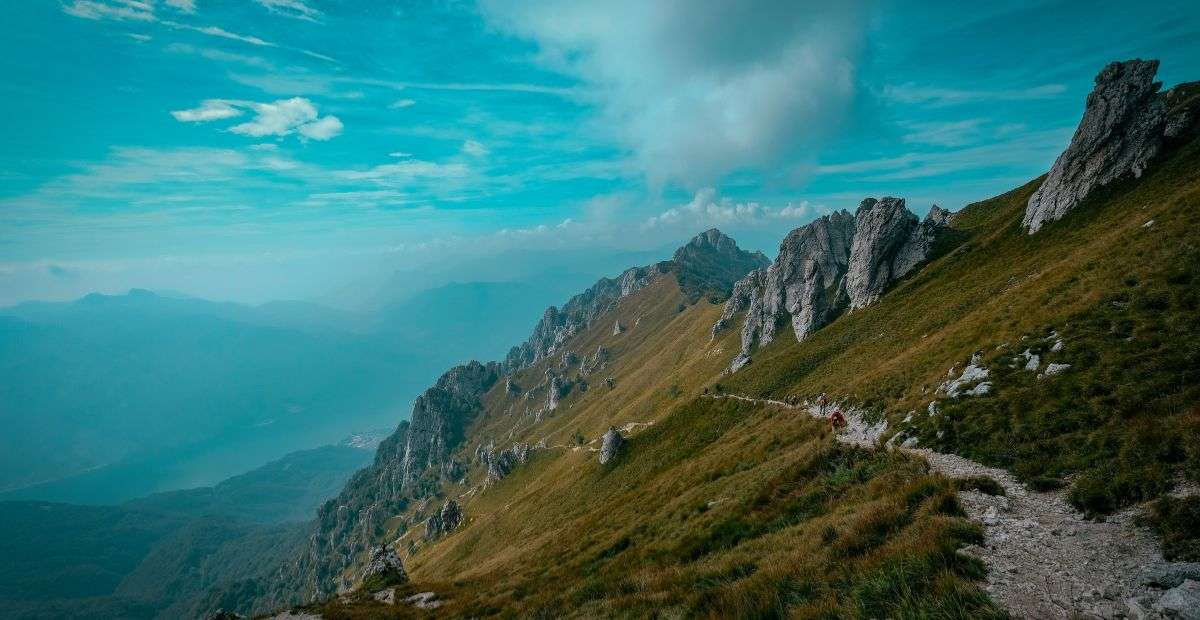
Carrying too much gear slows you down. Carrying too little limits creativity. The balance matters.
Ideal Travel Photography Gear
- Mirrorless or DSLR camera
- Wide-angle lens (16–35mm equivalent)
- Lightweight tripod
- Extra batteries and memory cards
Smartphones today are powerful enough for many travel landscapes, especially in good lighting. Accessories like mini tripods and clip-on lenses can significantly improve results.
If you’re staying near city centers like Marriott hotels in Washington DC downtown, lightweight gear makes it easier to move quickly between locations.
Trick #5: Apply Composition Rules That Always Work
Strong composition separates average photos from memorable ones.
Rule of Thirds
Divide your frame into a 3×3 grid and place key elements along the lines or intersections. This creates balance and flow.
Leading Lines
Use roads, rivers, bridges, or walkways to lead the viewer’s eye toward your subject.
Symmetry and Patterns
Urban travel landscape photography thrives on symmetry. Buildings, monuments, and reflections work especially well.
Frame Within a Frame
Use arches, doorways, windows, or tree branches to frame your subject.
These techniques work in both natural landscapes and busy city environments across the USA.
Trick #6: Tell a Story With Your Landscape Photos
The best travel landscape photography goes beyond scenery—it tells a story.
Add Human Elements
Including people adds:
- Scale
- Emotion
- Cultural context
A single person walking through a vast national park or city street can make an image more relatable and powerful.
Capture Daily Life
Markets, transportation, cafes, and local routines add authenticity to your travel photography.
Story-driven images perform better on blogs, social media, and monetized websites because they connect emotionally with viewers.
Trick #7: Use Weather to Your Advantage
Many travelers avoid bad weather—but photographers love it.
Dramatic Conditions to Embrace
- Fog for mystery and mood
- Rain for reflections
- Snow for clean compositions
- Storm clouds for contrast
Some of the most striking travel landscape photography images are taken during unpredictable conditions. Always protect your gear, but don’t be afraid to shoot when others stay indoors.
Trick #8: Edit With Purpose, Not Excess
Editing is part of modern travel photography, but over-editing can ruin a great image.
Editing Basics
- Adjust exposure and contrast
- Correct white balance
- Enhance clarity lightly
- Crop for composition
Natural edits perform best for blogs, ads, and affiliate marketing. The goal is to enhance what you saw—not create an artificial scene.
Many photographers use Lightroom or mobile editing apps to maintain consistency across their travel images.
Trick #9: Choose Accommodation That Supports Photography
Where you stay directly affects your photography opportunities.
Why Location Matters
Staying close to attractions saves:
- Time
- Transportation costs
- Energy
Photographers staying near the best hotels in Washington DC downtown can capture sunrise shots of monuments, nighttime cityscapes, and early-morning street scenes without long commutes.
Hotel Rooftops and Views
Hotels with rooftop access or city views offer unique angles for travel landscape photography that many tourists miss.
Choosing the right hotel is not just about comfort—it’s a creative advantage.
Travel Planning Tips for Landscape Photographers
Insurance and Safety
Travel insurance protects your gear and health during trips. This is especially important for long journeys and outdoor shooting locations.
Backup Everything
Always back up photos to:
- Cloud storage
- External hard drives
- Secondary memory cards
Respect Locations
Follow local laws, park rules, and private property restrictions. Ethical photography protects locations for future travelers.
Why the USA Is Perfect for Travel Landscape Photography
The United States offers unmatched diversity:
- Mountains, deserts, forests, and coastlines
- Iconic cities and small towns
- Historic landmarks and modern architecture
Whether you’re shooting cityscapes near Marriott hotels in Washington DC downtown or wide-open landscapes in national parks, the USA offers endless opportunities for photographers at every skill level.
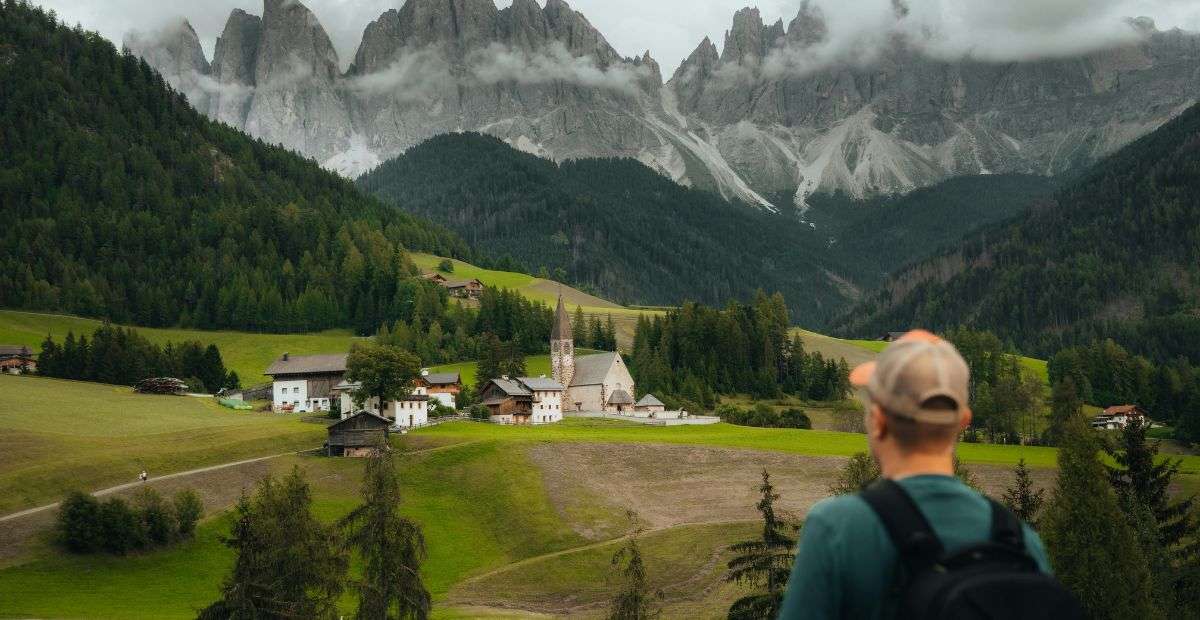
Final Thoughts
Mastering travel landscape photography is a journey, not a destination. With the right planning, smart gear choices, strong composition, and thoughtful editing, anyone can capture professional-quality travel images.
By preparing essential travel documents, choosing photographer-friendly accommodations, and understanding light and storytelling, you’ll not only improve your photography—you’ll enhance your entire travel experience.
Whether you’re exploring major US cities or planning future international adventures, these 9 proven tricks will help you create images worth sharing, publishing, and monetizing.
Frequently Asked Questions (FAQ)
What is travel landscape photography?
Travel landscape photography focuses on capturing natural and urban environments while traveling, including mountains, beaches, city skylines, monuments, and cultural landmarks.
What camera is best for travel landscape photography?
Mirrorless cameras and DSLRs with wide-angle lenses are ideal, but modern smartphones can also produce excellent results when used with proper lighting and composition.
Do I need a tripod for landscape photography while traveling?
A lightweight tripod is highly recommended, especially for sunrise, sunset, night photography, and long-exposure shots.
Which US cities are best for travel landscape photography?
Popular cities include New York, Washington DC, San Francisco, Chicago, Seattle, and Los Angeles due to their mix of architecture, landmarks, and natural surroundings.
How can beginners improve travel landscape photography quickly?
Beginners should focus on lighting, composition rules, shooting during golden hour, and practicing basic editing techniques.