
Contents
- 1 Berlin Tourist Places
- 1.1 Step 1: Prepare Your Journey from the United States to Berlin
- 1.2 Step 2: Navigate the Top Berlin Tourist Places Like a Local
- 1.3 Step 3: Uncover Berlin’s Hidden Gems Off the Beaten Path
- 1.4 Step 4: Choose the Best Month to Visit Berlin for Your Interests
- 1.5 Step 5: Select Safe Accommodations and Avoid Problem Areas
- 1.6 Step 6: Learn Five Intriguing Facts About Berlin Before You Go
- 1.6.1 Berlin Has More Bridges Than Venice With Over 1,700
- 1.6.2 The World’s Only Currywurst Museum Celebrates Local Fast Food
- 1.6.3 A Secret Underground Beer Pipeline Once Operated Here
- 1.6.4 The Iconic Ampelmann Traffic Lights Are Protected Symbols
- 1.6.5 Berlin Is Germany’s Largest City and a Reunification Success Story
- 1.7 Step 7: Understand Why Berlin Stands Out Among Germany’s Beautiful Cities
- 1.8 Conclusion
- 1.9 FAQ
- 1.9.1 What are the best things to do in berlin for first-time visitors from the United States?
- 1.9.2 Do you have any essential berlin travel tips for navigating the city efficiently?
- 1.9.3 What are the top attractions in berlin that offer the best views of the city?
- 1.9.4 Are there any must-visit sites in berlin that are off the beaten path?
- 1.9.5 How does a trip to Berlin compare to other major international tours, such as South American destinations?
Berlin Tourist Places

Planning a trip from the United States to Germany’s capital is an incredible adventure. This berlin travel guide helps you discover the best locations across the city. You can visit world-famous landmarks or relax in quiet, charming neighborhoods.
Navigating a new country is exciting for any American traveler looking for culture. The official tourism board, visitBerlin, provides excellent tools for international visitors. You can easily obtain a free city map or look for special bundle deals.
These savings help you enjoy more of the local food and the famous music scene. According to recent data, guests can access helpful brochures to navigate efficiently. You can even secure discounts on entry for various berlin tourist destinations.
Exploring the city does not have to be expensive or stressful for your family. Use local tips to find hidden gems that most visitors often miss during their stay. We will show you how to experience the local culture like a true local.
Key Takeaways
- Access free city guides and maps from the official visitBerlin website.
- Save money by using discounts for major museum tickets and entry fees.
- Combine famous historical landmarks with quiet, local hidden gems.
- Utilize bundle deals to explore the music and food scene affordably.
- Plan your itinerary from the USA to maximize your travel time.
- Experience the city through the eyes of locals for a unique perspective.
Step 1: Prepare Your Journey from the United States to Berlin
Traveling to Berlin from the USA needs careful planning. This ensures a smooth trip. You’ll need to book flights and plan your budget. This way, you can enjoy top attractions in Berlin and make the most of your visit.
Book Direct Flights from Major USA Hubs
Start by booking a direct flight from a major USA hub. This saves time and avoids layovers.
Best Departure Cities and Airlines
New York, Los Angeles, and Chicago have direct flights to Berlin. Lufthansa, United Airlines, and Delta offer good services. Think about flight duration, layovers, and cost when choosing.
Optimal Booking Windows for Lower Fares
Booking early can lower your flight costs. Aim for 2-3 months in advance. Use fare comparison tools and set price alerts for the best deals.
Complete Essential Travel Documentation
Having the right travel documents is key for a smooth trip. You’ll need a valid passport, any required visas, and travel insurance.
Passport and Visa Requirements for Americans
As an American, you need a passport valid for at least six months after your return. You don’t need a visa for tourism up to 90 days in 180 days. Always check the latest entry rules before you go.
Travel Insurance Recommendations
Travel insurance offers peace of mind and financial protection. It covers unexpected events like trip cancellations or medical emergencies. Choose policies that fit your needs.
Plan Your Berlin Travel Budget
Planning your budget is essential for a stress-free trip. Understand currency exchange, daily costs, and money management.
Currency Exchange Tips
The Euro is Berlin’s currency. Exchange money at the airport or use ATMs. A credit card with no foreign transaction fees is also handy.
Expected Daily Costs
Berlin can be affordable with good planning. Budget €80-€120 daily for accommodation, food, and attractions. Focus on your interests to save money.
When you arrive in Berlin, you’ll feel the city’s lively vibe. It invites you to see its iconic landmarks. To explore like a local, knowing the best spots is key.
Start at Brandenburg Gate and the Historic Center
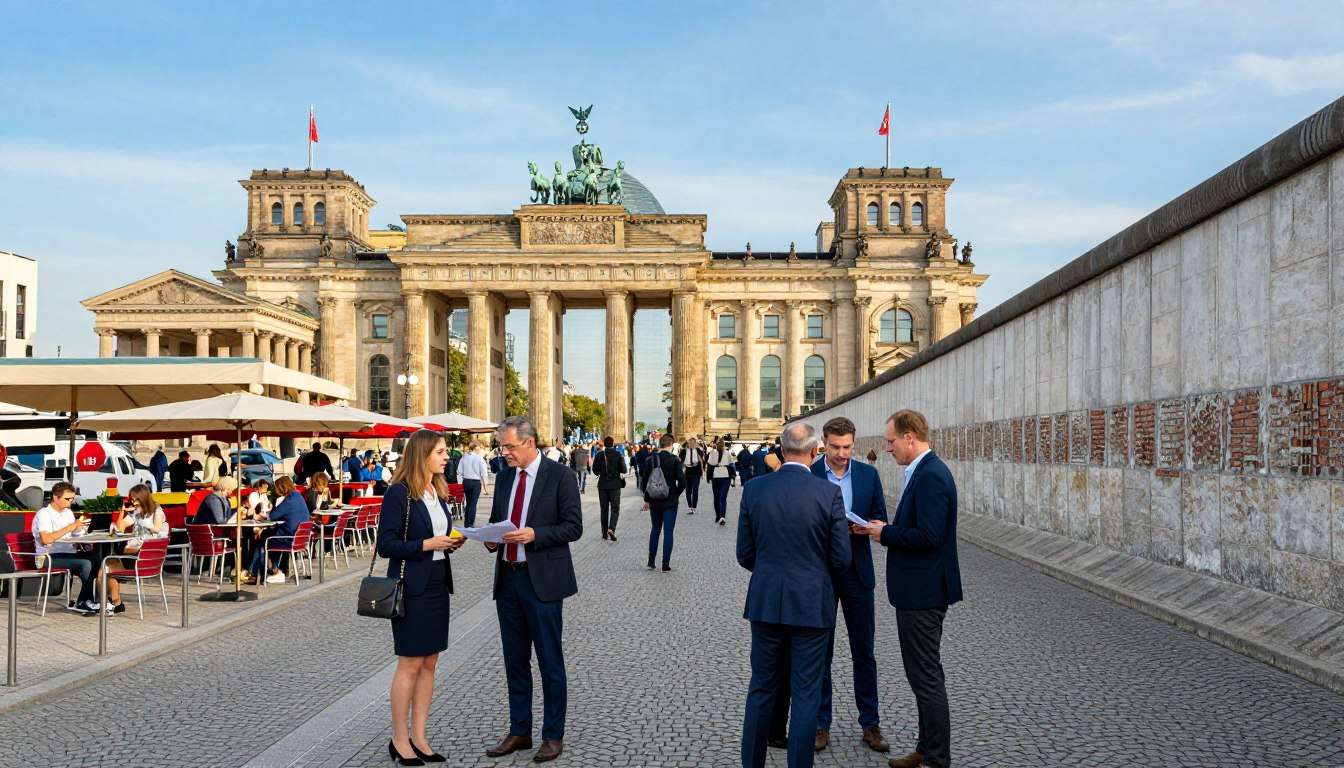
The Brandenburg Gate is more than a landmark; it’s a symbol of Berlin’s history. It’s a top Berlin sightseeing spot. Visit early morning or late evening to avoid crowds and get great photos.
Best Times to Visit for Photos
The best photo times are during the golden hour. This is just before sunset or after sunrise. The soft light makes the gate look even more stunning.
Nearby Attractions Within Walking Distance
Close to the Brandenburg Gate, you can see the Memorial to the Murdered Jews of Europe and the Reichstag Building. These places give you a deeper look into Berlin’s history and politics.
Experience the Berlin Wall History
The Berlin Wall is a powerful reminder of Berlin’s past. It’s a key part of the city’s story. Seeing the wall and its memorials is among the best things to do in Berlin.
East Side Gallery Open-Air Museum
The East Side Gallery is the last part of the Berlin Wall turned into an art gallery. It shows murals and graffiti from artists around the world. This adds a colorful cultural layer to the wall’s history.
Berlin Wall Memorial and Documentation Center
For a deeper understanding of the wall, visit the Berlin Wall Memorial and Documentation Center. It offers a detailed look at the wall’s history, its impact, and its fall.
Explore Museum Island’s Cultural Treasures
Museum Island is a UNESCO World Heritage site. It’s home to five important museums. It’s a cultural treasure trove of art, history, and archaeology.
Pergamon Museum Highlights
The Pergamon Museum is on Museum Island. It has an amazing collection of ancient Greek and Roman art. The famous Pergamon Altar is a highlight.
Multi-Museum Pass Options
Consider a multi-museum pass for Museum Island. It lets you visit several museums over a few days. This makes your visit more relaxed.
Tour the Reichstag Building Glass Dome
The Reichstag Building has a stunning glass dome designed by Norman Foster. It’s a key political landmark and offers great city views.
How to Reserve Your Free Entry
To see the Reichstag dome, you need a free reservation. Make it online. Book early because it’s very popular.
By following these tips, you can explore Berlin’s top spots like a local. You’ll discover the city’s depth and beauty.
Step 3: Uncover Berlin’s Hidden Gems Off the Beaten Path
Beyond the usual spots, Berlin has many hidden gems waiting to be found. Exploring the lesser-known areas reveals a unique side of Berlin. It shows the city’s true character and charm.
Visit Teufelsberg Spy Station Ruins
Teufelsberg was once a Cold War spy station. Now, it’s a place for street art and offers great views of the city. It’s a must-see for history buffs and fans of alternative culture.
Guided Tour Information
Joining a guided tour can enhance your visit. These tours share the history of Teufelsberg and its Cold War significance. Guided tours are available daily. It’s wise to book ahead to secure a spot.
Wander Through Charlottenburg Palace and Gardens
Charlottenburg Palace and its gardens offer a peaceful escape from the city’s noise. The palace complex includes the Luisenplatz and the Belvedere tower. They give a glimpse into Berlin’s royal past.
Discover Kreuzberg’s Alternative Culture
Kreuzberg is famous for its alternative culture, street art, and diverse vibe. Exploring this neighborhood, you’ll find many cafes, shops, and cultural events.
Best Street Art Locations
Kreuzberg boasts some of Berlin’s best street art. Don’t miss the East Side Gallery. It’s the last part of the Berlin Wall turned into an outdoor art gallery.
Local Food Markets and Cafes
Kreuzberg is also known for its local food markets and cafes. They offer a taste of international cuisine.
“Kreuzberg is a melting pot of cultures, and its food scene reflects this diversity.”
Explore Tempelhof Field Urban Park
Tempelhof Field is a former airport turned urban park. It’s a unique space for recreation, hosting various events and activities all year.
Activities and Events
Tempelhof Field is alive with activities. From outdoor cinema to urban gardening, there’s always something happening. Check the local calendar to find out what’s on during your visit.
Find Clärchens Ballhaus Historic Dance Hall
Clärchens Ballhaus is a historic dance hall that’s been a Berlin staple for over a century. It hosts dance events and live music, giving a glimpse into Berlin’s cultural heritage.
Step 4: Choose the Best Month to Visit Berlin for Your Interests

Berlin is a city full of history and culture, ready to be explored all year round. But, the best time to visit depends on what you’re interested in. The city’s climate and events change, making some months better than others.
Spring Season Advantages: April to May
Spring in Berlin is lovely, with mild weather and blooming parks. Mild weather and blooming parks make it great for outdoor fun and sightseeing.
Mild Weather and Blooming Parks
In April and May, Berlin’s weather is mild, with highs from 18°C to 22°C (64°F to 72°F). It’s perfect for seeing the city’s outdoor spots, like the Tiergarten and Mauerpark.
Fewer Crowds Than Summer
Spring also means fewer tourists than summer. This makes visiting popular spots more enjoyable and relaxed.
Summer Peak Season: June to August
Summer in Berlin is the busiest time, with warm weather and lots of outdoor events.
Outdoor Festivals and Beer Gardens
Summer brings many outdoor festivals and beer gardens. Events like the Berlin Festival and International Berlin Beer Festival draw visitors worldwide.
Long Daylight Hours for Sightseeing
Summer days are long, with daylight until late evening. This gives you plenty of time for exploring and enjoying the nightlife.
Fall Sweet Spot: September to October
Autumn in Berlin is comfortable and full of cultural events, making it a great time to visit.
Ideal Weather and Lower Prices
Fall offers pleasant weather, with highs from 15°C to 20°C (59°F to 68°F). Plus, accommodations are cheaper than in summer.
Festival of Lights in October
The Festival of Lights in October is a highlight of fall. It turns Berlin into a stunning display of light, creating a memorable experience.
Winter Experience: November to March
Winters in Berlin can be cold, but the city is magical. Christmas markets and winter activities add to the charm.
Christmas Markets and Winter Activities
Berlin’s Christmas markets are festive, with traditional food, crafts, and mulled wine. You can also ice skate, sled, and enjoy other winter sports.
Budget-Friendly Off-Season Travel
Winter travel in Berlin can save you money. With lower prices for accommodations and services, it’s a smart choice for budget travelers.
Step 5: Select Safe Accommodations and Avoid Problem Areas
Planning your trip to Berlin means choosing where to stay safely. The city is full of life, with famous landmarks and cultural spots. Yet, some areas are safer than others.
Best Neighborhoods for USA Tourists to Stay
Choosing the right neighborhood is key for a great trip. Here are top picks for USA tourists:
Mitte: Central and Convenient
Mitte is Berlin’s heart, close to top sights like the Brandenburg Gate. It’s lively, with many places to eat, shop, and travel.
Charlottenburg: Elegant and Safe
Charlottenburg is elegant and safe, perfect for tourists. It has Charlottenburg Palace and a calm vibe, unlike Mitte.
Prenzlauer Berg: Family-Friendly Atmosphere
Prenzlauer Berg is family-friendly. It’s known for its streets, parks, and cafes, ideal for a relaxed stay.
Areas Where You Should Exercise Caution
While Berlin is safe, some areas are better avoided, mainly at night.
Kottbusser Tor Late at Night
Kottbusser Tor is lively at night but can be crowded and noisy. Be careful and avoid trouble.
Alexanderplatz After Dark
Alexanderplatz is busy but feels unsafe at night. Homeless people and aggressive beggars are common.
Parts of Wedding Neighborhood
Some Wedding areas are not safe, so avoid them at night.
Accommodation Types from Budget to Luxury
Berlin has many places to stay, from cheap to fancy.
Booking Platforms and Tips
Use trusted sites like Booking.com or Airbnb for booking. Always check reviews and the location for safety.
- Stay in safe areas like Mitte, Charlottenburg, or Prenzlauer Berg.
- Read reviews and ratings from other guests.
- Choose places with 24-hour service for extra security.
By picking the right place to stay, you’ll have a safe and fun trip. You can then enjoy Berlin’s many attractions without worry.
Step 6: Learn Five Intriguing Facts About Berlin Before You Go

Berlin is a city with a rich history and vibrant culture. It has many interesting aspects to discover before you visit. Learning about these unique facets will enhance your travel experience and deepen your understanding of the city.
Berlin Has More Bridges Than Venice With Over 1,700
Berlin surprises visitors with over 1,700 bridges, more than Venice. This is due to its unique geography. Berlin has many rivers and canals, like the Spree River, that have shaped its history and landscape.
The World’s Only Currywurst Museum Celebrates Local Fast Food
Berlin is famous for its Currywurst, a grilled sausage with spicy tomato sauce and curry powder. The city’s love for this dish is celebrated at the Currywurst Museum. It explores the history and cultural significance of this beloved snack.
A Secret Underground Beer Pipeline Once Operated Here
Berlin has a rich brewing history. One fascinating fact is the secret underground beer pipeline. It connected breweries to distribution centers, supplying Berliners with their favorite beers.
The Iconic Ampelmann Traffic Lights Are Protected Symbols
The Ampelmann, Berlin’s iconic traffic light design, symbolizes the city’s cultural heritage. These charming characters, with their distinctive hats and welcoming gestures, have been protected by law. They continue to welcome people on Berlin’s streets.
Berlin Is Germany’s Largest City and a Reunification Success Story
As Germany’s largest city, Berlin is a symbol of the country’s complex history and reunification journey. Its vibrant cultural scene, rich history, and modern energy make it a must-visit. It’s perfect for travelers from around the world, including the United States looking for unique berlin travel tips.
By learning these intriguing facts, you’ll appreciate Berlin’s history, culture, and attractions more. This will make your trip more enjoyable and memorable.
Step 7: Understand Why Berlin Stands Out Among Germany’s Beautiful Cities
Germany has many beautiful cities, but Berlin is special. It mixes history, culture, and modern life in a unique way. Munich, Hamburg, and Heidelberg are also beautiful, but Berlin’s mix is unmatched for American travelers.
Munich Offers Bavarian Alpine Scenery and Traditional Charm
The Munich, the heart of Bavaria, is famous for its Alpine views and German charm. You can explore the historic center, enjoy beer gardens, and dive into the city’s culture. But Munich’s charm is different from Berlin’s modern edge.
Hamburg Provides Maritime Beauty and Waterfront Elegance
Hamburg is known for its maritime history and beautiful waterfront. The Speicherstadt, a UNESCO site, shows Hamburg’s trading past. Yet, Berlin’s history and cultural mix attract more international visitors.
Heidelberg Features Romantic Castle Views
Heidelberg is loved for its castle ruins and old town. It offers a classic German experience with its beauty and history. But Heidelberg’s calm is different from Berlin’s lively pace.
Berlin Delivers Unmatched History, Culture, and Modern Energy
Berlin is a mix of history, culture, and modern life. From the Brandenburg Gate to Kreuzberg’s art scene, it offers a unique experience. Berlin’s past and present blend make it special.
Why Berlin’s Diversity Makes It Unique
Berlin’s diversity is its main attraction. Its history of division and reunification has shaped its culture. This diversity is seen in its museums, galleries, and events, making it a city for all.
The City’s Constant Transformation
Berlin is always changing. It redevelops areas like Kreuzberg and Neukölln and preserves history. This keeps the city exciting for both new and returning visitors.
Key Highlights of Berlin’s Uniqueness:
- Rich Historical Tapestry: Berlin’s history is alive, from the Berlin Wall Memorial to the Brandenburg Gate.
- Cultural Diversity: The city’s museums, galleries, and events show its diverse heritage.
- Modern Vibrancy: Places like Kreuzberg and Neukölln are centers for modern art, music, and nightlife.
Conclusion
Exploring Berlin’s rich history and vibrant culture is an unforgettable experience. With the right tips, you can see the city like a local. You’ll find top spots and hidden gems that make your trip special.
Berlin offers something for everyone. You can see the historic Brandenburg Gate and the Berlin Wall. Or, explore cultural treasures on Museum Island and the alternative vibe of Kreuzberg.
By planning your visit well, you’re set for a great adventure. Stay in safe neighborhoods and enjoy the city’s energy. Berlin is waiting to welcome you with open arms.
So, pack your bags and grab your camera. Get ready to dive into one of Europe’s most captivating cities. Berlin is ready to show you its wonders.