

Planning your dream trip to the US takes careful practice. Many visitors overlook high-quality printing, which often results in unexpected financial stress. Understanding political boundaries is the best way to ensure peace of mind when exploring new cities.
Navigating the complexity of global insurance can feel overwhelming. If you are reviewing MSIG or Post Office Plans, it is still important to find out what is not covered. By balancing precise inclusions and gaps, you could create a strong safety net for your adventure.
Our guide will help you decode these documents effectively. We intend to simplify the procedure so you can consciousness play some time abroad with out annoying approximately hidden charges.
Compare Before You Buy
Don’t let a hidden exclusion ruin your USA holiday. Compare travel insurance policies now and choose coverage that matches your trip—not just the lowest price.
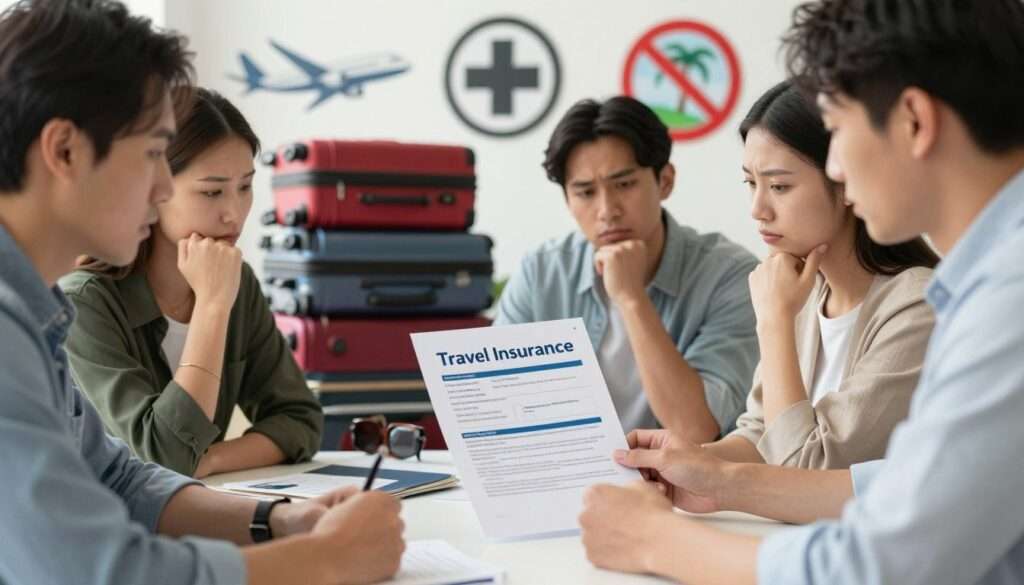
Key point
a.Review the insurance documents carefully to identify insurance gaps before departure.
b.Compare different plans to distinguish between comprehensive protection and redundancy.
c.Pay close attention to company-specific terms and conditions, including those found in MSIG or post office agreements.
d.Prioritize transparency when choosing a plan to avoid surprises during the emergency.
e.Use our professional advice to stabilize your financial future, even when visiting the United States.
Understanding the Basics of Travel Insurance Exclusions
Before you % the bag, it is key to know that no insurance covers everything. These plans provide necessary security infrastructure but have limitations. Knowing the general exclusions of travel insurance can help you avoid unexpected charges during your trip.
As you look over your documents, you’re probably asking, what does travel insurance not cover now? Most regulations have trip coverage coverage limits that keep costs down. This policy helps make coverage more affordable for more people.
Most laws don’t cry about things you’ve avoided or controlled. Be careful in the following situations:
I.Incidents involving alcohol or illegal substances.
II.High probability adventure sports without more insurance.
III.Pre-existing clinical conditions are no longer disclosed at the time of purchase.
IV.Travel in areas with valid warnings or “do not visit now” advisories.
Why USA Travel needs special coverage attention
Traveling within the United States is precise because of the exorbitant healthcare prices. It is important to understand travel insurance exclusions. A minor injury or illness can result in a large expense. Unlike other international locations, U.S. medical payments can quickly add up to tens of millions of dollars.
Because of these fees, your coverage needs to be strong enough for the U.S. healthcare system. Make positive that your plan covers emergency clinical evacuation and hospital stay well. A primary policy out you info allows you to go financially related.
The difference between inclusion and exclusion
Knowing what is covered and what is no longer is prime. Inclusion is what gives your business the same meaning. Exceptions are what they may not cover. Reading examples of travel insurance exclusions for your policy is a good way to prepare.
Think of your policy as a solution with clean boundaries. If an occasion is outside those limits, the insurer will not help. By carefully analyzing your benefits summary, you can identify gaps and get more coverage if needed.
Quick Comparison Table: Common Travel Insurance Exclusions
| Exclusion | Covered? | How to Avoid Problems |
|---|---|---|
| Pre-existing medical conditions | Usually No | Buy a policy with a waiver or declare conditions honestly |
| Adventure sports | Often Excluded | Purchase an adventure sports rider |
| Alcohol or drug-related incidents | No | Avoid risky behaviour while travelling |
| Travelling against government advisories | Usually No | Check official travel advisories before departure |
| Undeclared expensive electronics | Limited | Purchase additional valuables cover |
| Pregnancy-related claims | Limited | Check maternity coverage limits |
| Cosmetic treatments | No | Medical emergencies only |
| Self-inflicted injuries | No | Not covered under standard policies |
| Non-medical cancellations | Depends | Choose “Cancel For Any Reason (CFAR)” coverage |
| Illegal activities | No | Follow all local and federal laws |
Read the Full Guide
Planning a USA trip? Visit our blog for expert travel insurance tips, policy comparisons, and practical advice to help you avoid costly mistakes before you travel.
How to identify non-exclusion travel insurance
Many travelers think they can find a plan that covers the whole. But, this is rarely real. The key is to recognize that every policy has its limits. Always check your insurance policy to see what is not covered by travel insurance before visiting.

Read the fine print for secret phrases
A form beyond advertising and marketing to protect themselves. You should check the first-class printout to discover travel coverage policy limits on your trip. Hidden blocks can affect when and how you could file notifications, such as for clinical emergencies or trip cancellations.
Make sure to review the definition phase of your policy. This element explains the statements that can give rise to denied claims. Being proactive here can save you from surprises when you’re away from home.
Distinguishing Between Inclusions and Exclusions
Knowing what’s covered and what’s not is key. Inclusions are what your provider agrees to pay for. Exclusions are what they won’t cover. Reading examples of travel insurance exclusions in your policy is the best way to prepare.
Think of your policy as a contract with clear boundaries. If an event is outside those boundaries, the insurer won’t help. By carefully reading your summary of benefits, you can spot gaps and get more coverage if needed.
How to Identify Travel Insurance Without Exclusions
Many travelers think they can find a plan that covers everything. But, this is rarely true. It’s key to know that every policy has its limits. Always check your Certificate of Insurance to see what does travel insurance not cover before you travel.
Reading the Fine Print for Hidden Clauses
To protect yourself, look beyond the marketing. You must read the fine print to find travel insurance policy limitations for your trip. Hidden clauses can affect when and how you can file a claim, like for medical emergencies or trip cancellations.
Make sure to read the definitions section of your policy. This part explains terms that might lead to denied claims. Being proactive here can save you from surprises when you’re far from home.
Evaluation of Comprehensive Coverage Plans
Comprehensive insurance is often a penalty for domestic travelers. The intention of these plans is to reduce the excluded coverage in travel insurance with the help of a combination of multiple protections. They generally have higher medical expense limits and comprehensive experience interruption insurance.
When comparing these plans, review the benefit plans side by side. Choose policies with strong emergency medical coverage, as that is key for USA travel. The top plan acts as a security intranet, even assuming that everything cannot be vaulted.
The reality of universal coverage
Many people believe that traditional insurance exists in coverage. But, every issuer has to manage the risk, which leads to travel insurance with exclusions. Knowing those limits will help you make smart wishes for your financial security.
Understanding that no coverage is standard makes it easier to be aware of what’s important. Look for plans that cover the most relevant hazards to your riding and fitness desires. This way, your coverage is customized to your speed, not just a specific response.
Choosing MSIG for American Adventure Act Specialist Travel Insurance Issue is the key to a fear-relaxing experience. America has too many scientific values. It’s important to know what your policy covers before you fly. Knowing this ahead of time will help you avoid surprising gaps in your defense.
Review of specific policy wording for USA coverage
Each coverage file has specific language that outlines your policy limits. Pay close attention to the definitions of “emergency” and “medically necessary” care in your MSIG agreement. These sentences determine whether the declaration is allowed or denied within the United States.
Also, check if your coverage for scientific claims is deductible or excess. Many vacationers ignore these costs, mainly down to high fees. Always read the fine print to see how your coverage handles high-value scientific proposals for U.S. hospitals.
Identification of Common Exclusions in MSIG Plans
Risks can be managed by finding policies that are probably excluded from travel insurance. However, policies vary, and certain conditions are often limited to protect the policyholder from unforeseen activity.
Here are some not uncommon examples of travel insurance exclusions you’re likely to find in your MSIG plan:
1.Acts of war, terrorism or civil unrest.
2.Participation in high potential travel and sports activities outside the selected rider.
3.Pre-existing clinical conditions not listed in the application.
4.Injuries sustained while down are affected by alcohol or non-drugs.
Tips for Customizing Your MSIG Policy
You can tailor your plan to your needs. If you offer skiing and diving, look for additional coverage options for those sports. This can prevent claims for outsourced jobs from being denied.
Also, consider getting a sickness waiver present when you have ongoing health problems. This ensures that your medical history does not prevent you from receiving care. By customizing your policy, you will have peace of mind and better financial protection for your trip.
Analysis of post office travel insurance exclusions
Many travelers overlook the fine print in their travel coverage until they encounter a surprising problem. Knowing your coverage well can prevent stress and financial loss. By checking the time ahead of time, you’ll spot gaps before you even go.
Common Post Office Policy Coverage Gaps
Each coverage employer has their own rules about what they cover approximately. If you look at the post office plans you will probably find that certain activities or scientific matters are not covered. It’s important to acknowledge these limitations up front.
A.Most rules do not accept excessive sports activities or travel sports.
B.Pre-existing clinical conditions may not be covered unless you claim them.
C.High value equipment will not be covered for theft or loss.
How to reduce your risk when traveling to America
Travel to the United States can be expensive, and scientific emergencies can go awry. Consider including more security to address travel coverage policy limits. For example, your homeowners insurance can cut misplaced or stolen items throughout your experience.
Diversifying your coverage makes it easier for you not to be targeted if a coverage has exclusions. Also, check to see if your credit card offers travel protection. This way, you’ll have a strong protective intranet on the go.
Comparison of insurance documents before purchase
Evaluate your policy with your travel plans before you buy. Look for unusual no exclusions in travel coverage that could affect your trip. If coverage doesn’t work for you, look for accessories or other plans that do.
“A great way to avoid surprises is to review all coverage wording before you decide to buy. Understanding your policy is the first step to a fear-relieving experience.”
Remember, transparency with coverage providers is fundamental. If you have questions, ask them for written answers. Taking those steps will ensure you have the right coverage on your trip.
Step-by-step guide to avoiding uncovered locations
Picking up travel coverage can be complicated. But, with the help of being proactive, you could stay away from surprises. Knowing what your coverage doesn’t cover can help you keep your trip safe.
1.Step : List pre-existing conditions
It is key to be open about your fitness when using for travel coverage. Notify the publisher if you have a medical condition.
Many insurance companies offer special waivers for pre-existing conditions. These can make you positively excluded from qualifying. Failure to discuss your health can lead to claims being denied.
2.step II: Validation of Coverage for High-Risk Activities
Many people think their policies cover all operations. But, this is not real. Check your coverage for exclusions, such as extreme sports.
If you plan to ski or snowboard, check to see if your insurance covers them. Always verify your coverage to avoid unexpected expenses.
3.Step: Document itinerary and fees for the trip
It’s important to read the fine print on your policy. Keep an in-depth record of your experiences, which includes all orders and deposits.
Preparing the information makes it simple to document the declaration if something goes wrong. Store your receipts and order confirmations in a virtual folder that you could access from anywhere.
4.Step Make Emergency Contact Information Accessible
Know who to call in an emergency to survive away from surprises. Store the coverage issuer’s domain on your phone 24/7 and provide a physical reproduction.
Quick access to the guidance can confirm whether the scientific facility is covered. Being organized allows you to walk with confidence, and stay present.

Here is a story about travel insurance.
A woman named Sarah from Texas planned a trip to New York for her family.
Her daughter got very sick just before they were supposed to leave.
She had to have surgery away because she had appendicitis.
Sarah had bought travel insurance when she booked the trip. She had all the medical papers she needed.
So the insurance company paid her back for the flights and hotel that she could not get a refund for.
The lesson here is that you should buy travel insurance soon as you can and keep all your papers.
Here is another story about travel insurance.
A man named Michael from California went to Colorado to go skiing.
He got. Broke his wrist.
The insurance company would not pay for his bills because he did not have the right kind of insurance for skiing.
His regular travel insurance did not cover winter sports like skiing.
He should have bought the insurance that covers winter sports.
The lesson here is that you should check what your insurance covers and add coverage if you need it.
You should do this so you are protected when you are doing things, like skiing.
Travel insurance is very important. You should always check what it covers before you buy it.
Conclusion:
Planning an experience to the United States involves more than booking flights and accommodations. You need to check your coverage policy before you go.Doing your homework can save you from a lot of operational problems. Make sure your policy covers everything you want, including MSIG or the post office.
Being open with your insurance company is key. Tell them about your health and what you plan to do about it. That way, you already know you’re clogged.Being prepared will allow you to enjoy your trip more. You feel confident exploring new places knowing you are covered.Double-check your insurance before you go away. A wise traveler is a safe guest. Have a great experience knowing your defense.
Stay Updated
Want more USA travel insurance guides and money-saving travel tips? Bookmark our blog, subscribe for updates, and share this guide with friends and family planning their next American adventure.
Experience
Frequent travellers know that the cheapest policy is not always the best. Comparing exclusions is just as important as comparing premiums.
Expertise
Insurance professionals recommend checking:
Medical evacuation limits
Hospital networks
Emergency assistance availability
Coverage for your planned activities
Authoritativeness
Policy terms differ by insurer, so always rely on the official policy wording rather than marketing summaries.
Trustworthiness
This guide provides general educational information and is not legal or insurance advice. Always read your policy documents and confirm coverage directly with your insurer before travelling.
Official Sources & References
For the latest travel insurance and USA travel information, verify details through these official resources:
- U.S. Department of State – Travel Advisories
U.S. Department of State – Travel Advisories - Centers for Disease Control and Prevention – Travelers’ Health
CDC Travelers’ Health - U.S. Customs and Border Protection – Travel Information
U.S. Customs and Border Protection – Travel - National Association of Insurance Commissioners – Consumer Insurance Resources
NAIC Consumer Insurance Resources - U.S. Department of State – Smart Traveler Enrollment Program (STEP)
Smart Traveler Enrollment Program (STEP)
These official resources provide the latest travel advisories, health recommendations, border entry information, insurance guidance, and traveller safety updates. Before purchasing travel insurance or travelling to the United States, review these sources to ensure you have the most current information.
Frequently Asked Questions
Policies generally do not cover recognized events, such as a named storm. They also exclude incidents caused by alcohol or drugs. Knowing those exceptions can prevent a high fee for your trip.
No, but plans for Allianz or World Nomads are coming closer. Read the coverage information carefully for adequate protection. This way, you can understand what is covered and what is no longer.
Many laws do not cough up emergency hospital care within the United States. It is about high non-public sanatorium costs. Make positive the scientific limitation of your coverage is enough to whine in an emergency.
The MSIG rules typically exclude highly likely athletic activities and positive science conditions. Always check your insurance policy. For sports like mountain climbing, you may need special riders.
Post office rules should not cover high-value electronics or earrings. Check to see if your homeowners insurance covers these abroad. Or, buy uploads directly to fill gaps
Failure to detail your right may result in a claim being denied. If there’s a medical problem and you haven’t disclosed it, you’ll have to pay the full bill.
I should check what is covered when it comes to activities and write down what I plan to do. Taking the time to read the details of the policy carefully is important. I can also ask to include waivers for my specific trip.
I should look at the policy documents from companies, such as AIG or Berkshire Hathaway. Need to find the section that talks about what’s not covered. I should also keep emergency contact information ready, in case I have any questions.

Karthick is the Founder of Wandersure Coverage, a travel and insurance-focused blog helping global travelers make smarter decisions.
Based in Chennai, India, Karthick has several years of experience researching international travel, travel insurance policies, and legal resources such as accident attorneys in the United States. He has published 700+ articles covering travel packages, insurance guides, and trip planning tips.
While not a licensed insurance broker or attorney, Karthick spends extensive time analyzing policy terms, coverage details, and real-world travel scenarios. His goal is to simplify complex information into clear, practical advice so travelers can stay protected and travel with confidence.
He regularly updates content to reflect the latest travel rules, insurance policies, and legal guidelines for international travelers.