
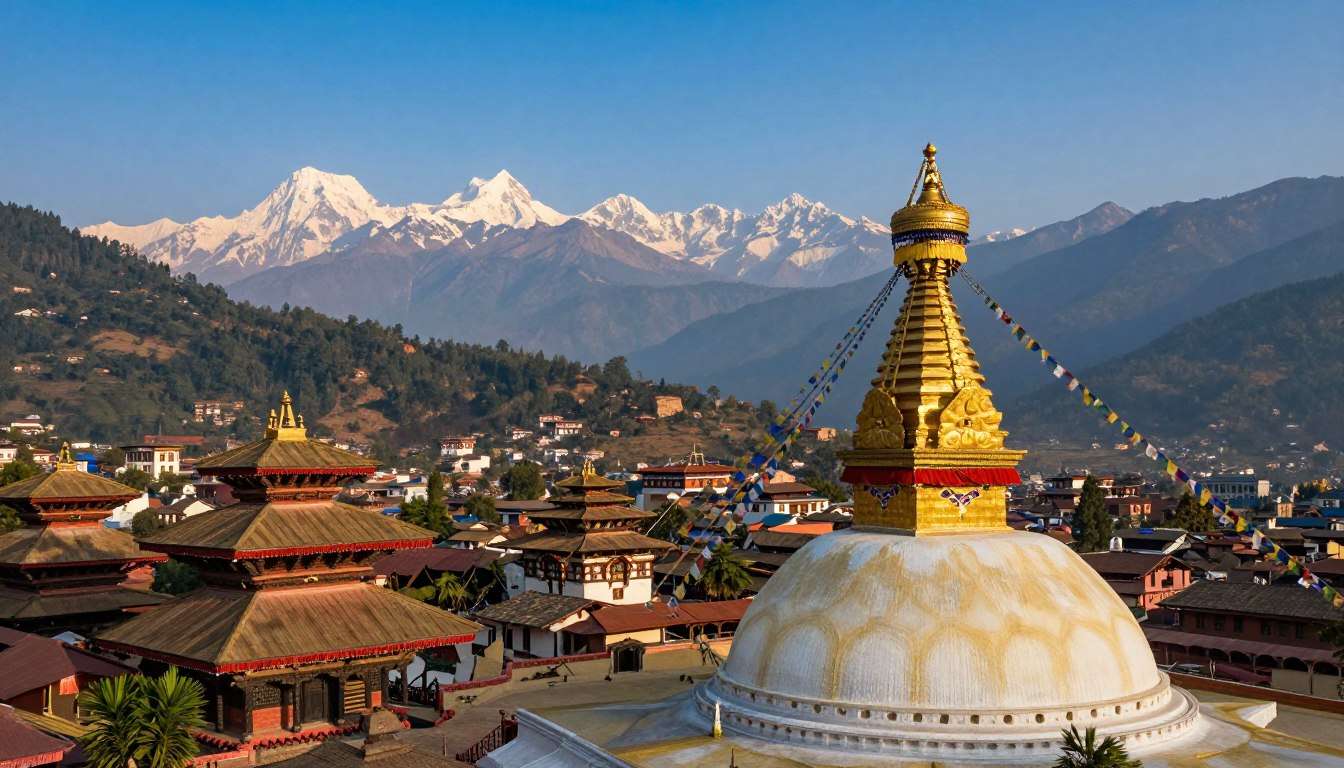

A Nepal-Bhutan vacation is easiest to plan when you choose the route, length and included services before comparing package prices. A practical plan pairs Nepal’s cultural sights with Paro, Thimphu and Punakha in Bhutan. Compare the services behind each price before you book.
The Sustainable Development Fee (SDF) is Bhutan’s separate per-person, per-night tourism fee, charged in addition to the tourist visa fee. Your total cost also depends on how many nights you spend in each country and which services the package covers. A little care at the start can help you choose a trip that fits your time and budget.
Before you choose a destination, look at the route, hotel nights and travel days together. A low package price may cover fewer services, or leave a flight and airport transfer for you to arrange. Check each quote line by line so you can compare the same trip, not just the headline price.
Ready for an Epic Himalayan Adventure? Discover how Nepal’s historic temples, spectacular mountain scenery, and Bhutan’s unique cultural experiences can fit into one memorable vacation. Explore our Nepal Bhutan tour packages guide to compare itineraries, planning tips, and important travel costs.
Key Takeaways
- Plan the Nepal and Bhutan route around your available days.
- Check which hotels, meals, guides, admissions and transfers each price includes.
- Budget for Bhutan’s SDF separately from its tourist visa fee.
- Your passport nationality, not your departure city, sets your Bhutan entry process.
- U.S. passport holders need Bhutan visa approval before travel.
- Keep the departure city, passport nationality and planned Bhutan nights handy as you compare options.
How Do Nepal Bhutan Tour Packages From Nepal Work?
A Nepal-based traveler should compare the Nepal sightseeing portion and the Bhutan arrangements as separate parts of one itinerary. One booking can cover both countries, but the services and travel dates may differ by country.
Check three details before you pay: Nepal lodging and sightseeing, Bhutan’s authorized booking arrangement, and any excluded flights or transfers. Your starting location is not the same as your passport nationality, which affects Bhutan entry rules.
Get the exact Nepal and Bhutan service dates written into the quote before paying a deposit.
For the Nepal side, ask whether the package covers the nights you need in Kathmandu and any sightseeing. Kathmandu Valley visits commonly include Pashupatinath Temple, Boudhanath Stupa and Swayambhunath Stupa. If you want more than city visits, check whether the itinerary adds those days and services.
For Bhutan, clarify who arranges the tour with an authorized travel agent and how the Bhutan portion fits the Nepal dates. A Nepal-based operator may coordinate both parts, or you may book Nepal services separately from the Bhutan tour. Either way, the quote should name who handles each service.
Read the itinerary for travel days, overnight stops and border or airport transfers. A sightseeing day in Kathmandu is not the same as a day spent traveling between countries. Confirm whether the quoted tour starts when you reach Kathmandu or includes your journey to Nepal.
Ask for the price per person, room-sharing terms and group size. A private tour and a group tour may use different transport or hotel arrangements. These details help you compare Bhutan Nepal tours without assuming every quote covers the same stay.
- Confirm whether Nepal accommodation and sightseeing are included.
- Ask how the Bhutan tour and authorized booking are arranged.
- List flights, airport transfers and other transport not covered by the quote.
Get the exact Nepal and Bhutan service dates written into the quote before paying a deposit.
What Should Travelers Booking From India Check?
A package booked from India does not make every traveler eligible for the entry rules that apply to Indian nationals. Passport nationality sets the rules, even when the departure city is in India.
Indian nationals do not need a Bhutan visa, but they do need an entry permit. They may enter with a passport or voter ID card, and they pay an SDF of Nu./₹1,200 per person per night.
Indian visitors may pay that SDF in ngultrum or Indian rupees. The amount applies per person for each Bhutan night, so count the group and nights when estimating the fee. These rules apply to Indian nationals, not to every traveler who happens to depart from India.
A U.S. passport holder living in India must follow the process for U.S. passport holders. That traveler needs Bhutan tourist visa approval before departure, rather than the entry permit used by Indian nationals. A shared booking does not change each person’s nationality-based requirements.
When a group has more than one nationality, ask the operator to list each traveler’s document needs separately. Check that the names and identification details on the booking match the documents each traveler plans to use. That helps keep the group’s arrangements clear at check-in and arrival.
Do not compare a mixed group’s total as though every person owes the same entry charges. An Indian national and a U.S. passport holder may have different visa steps and fees. The quote should show charges by traveler and by Bhutan night.
Check each traveler’s passport nationality separately when a booking includes a mixed-nationality group.
How Should Bangalore Travelers Arrange Departure and Return Flights?
A Bangalore-origin quote is not necessarily an airfare-inclusive quote, so confirm the first and last airports before comparing totals. Airport details affect both your budget and the time available for sightseeing.
Check whether the quote starts in Kathmandu or includes travel from Bangalore. Then confirm whether your return flight leaves from Paro or another city, and whether baggage, airport transfers and flight changes are covered.
A Nepal Bhutan tour package may describe the ground itinerary without covering the flights that get you to its first stop. One eight-day itinerary begins in Kathmandu and ends at Paro, and lists all specified flight costs as excluded. That example shows why the departure and return points matter.
Ask which airport marks the start of the tour and when the operator expects you to arrive. A ticket to Kathmandu may need to arrive before the first scheduled tour service. A late arrival can change the first night or the time you have for a planned visit.
Check the return side just as closely. If the tour ends in Paro, your onward ticket should leave from an airport you can reach on time. Do not assume a package that ends in Bhutan also includes a flight from Paro to your next destination.
Baggage rules can affect the price and comfort of a multi-flight trip. Confirm who handles airport transfers, what happens if a flight changes, and whether the operator can help adjust ground services. Keep the airline’s change rules separate from the tour’s own terms.
Match the return airport to the onward ticket you actually plan to use.
What Does a Nepal Bhutan Tour Cost Per Person?
For a U.S. traveler, the visa and SDF alone come to US$540 for a five-night Bhutan stay, before trip services. These charges cover visa and SDF only, not hotels, guides, transport or meals.
The US$40 visa fee is a separate, one-time, non-refundable charge. For most nationalities, the SDF is US$100 per person per night, a rate fixed through August 31, 2027.
Bhutan’s Visa and Nightly SDF Charges
A U.S. traveler’s visa and SDF total changes with the number of Bhutan nights. The figures below add the visa fee to the SDF; they do not pay for the rest of the trip.
| Bhutan nights | Visa and SDF total | What the total covers | Excluded trip costs |
|---|---|---|---|
| 3 nights | US$340 | Visa plus SDF only | Hotels, guides, transport, meals |
| 5 nights | US$540 | Visa plus SDF only | Hotels, guides, transport, meals |
| 7 nights | US$740 | Visa plus SDF only | Hotels, guides, transport, meals |
| 10 nights | US$1,040 | Visa plus SDF only | Hotels, guides, transport, meals |
Children age five and under are exempt from the SDF. Children ages six through 12 pay 50% of the applicable SDF rate. These child rules apply to the SDF, while the visa fee remains a separate charge where required.
Package Prices, GST and What the Totals Exclude
A Bhutan tour package from Nepal is listed at US$1,450-US$5,000. Group size, trip length, destinations and included services affect the price, so compare quotes for the same plan.
Bhutan applies 5% GST to tourism services such as hotels, guides, transport and meals. The tax does not apply to the SDF or visa fee. GST is estimated to add around 2-4% to a tour package, depending on the itinerary.
Ask whether the listed price includes GST and which services count toward it. A package with more meals or private transport may not compare directly with a basic tour. The number of Bhutan nights also changes the fixed SDF portion of your total.
Compare package quotes against the same number of Bhutan nights so the fixed SDF does not distort the comparison.
What Does a Combined Package Include?
Package inclusions can change between the Nepal and Bhutan legs, even when both appear under one booking. Read each country’s details instead of treating the full trip as one set of services.
Check accommodation, meals, transport, guides and admissions separately for Nepal and Bhutan. The same package may cover breakfast in Nepal but three daily meals in Bhutan.
Nepal Services to Check
For Nepal, check which hotel nights and breakfasts are included, along with sightseeing, private transport and guide service. One eight-day itinerary lists Nepal hotel accommodation with breakfast, private transport, an English-speaking guide and specified sightseeing. Those services are an example, not a promise for every tour.
Read the sightseeing list closely. Kathmandu heritage visits may include temples and other historic places, but a package can name only some stops. Ask whether admission fees are included and whether the guide stays with you throughout the day.
Meal coverage can vary within Nepal, too. Breakfast may be included while lunch and dinner remain your own choice. Check the number of covered meals by day, especially when travel takes you away from the hotel.
Bhutan Services to Check
For Bhutan, look for accommodation, meals, transfers, an English-speaking guide, permits and entrance fees. One eight-day example lists twin-sharing lodging, three meals daily, transfers, a guide, sightseeing and permits. That package may differ from another tour in its hotel level or admissions.
Some activities need their own clear line in the itinerary. A dzong visit, a guided hike or a traditional Bhutanese cultural activity may be part of the tour, but confirm the exact admission and guide coverage. Do not assume a named site means every related cost is covered.
An 18-day itinerary offers another example of how detailed the service list can be: 12 hotel nights, three guesthouse nights and two lodge nights. It also lists 16 breakfasts, nine lunches, eight dinners and 26 activities. These counts show why meal and lodging totals deserve a careful read.
Compare meal coverage by country, not just the total number of included meals. Nepal and Bhutan may have different lodging styles and food plans, even under one booking. A written service list makes it easier to spot gaps before you pay.
Ask for a written list of included meals, admissions and transfers before treating two packages as comparable.
What Visas and Documents Do U.S. Travelers Need?

U.S. passport holders need Bhutan visa approval before travel, so an arrival visa is not a substitute for applying ahead. Apply online and allow about five working days for processing.
Bhutan requires pre-travel visa approval for U.S. passport holders. The US$40 fee is one-time and non-refundable, and is separate from the SDF.
Tourists must book a package in advance with an authorized travel agent to obtain a Bhutan visa. The online application does not require an embassy appointment, interview or paper form. Bhutan has no annual visitor cap.
Prepare these five items for the application:
- A passport valid for at least six months from your entry date.
- A digital passport-style photo.
- Travel insurance that covers your trip.
- Confirmed travel dates and your port of entry.
- Payment details for the visa fee and SDF.
After approval, Bhutan issues the visa electronically before travel and stamps it in your passport on arrival. Drukair and Bhutan Airlines check the visa clearance letter at check-in for flights to Paro. Keep the approval document easy to show.
Nepal has a different process. Citizens of most countries can get a tourist visa on arrival, with a passport and visa documents required. The arrival application process takes around one hour, so allow time at the airport.
A Nepal visa on arrival does not replace Bhutan’s pre-travel approval. The two countries have separate entry steps, and your documents must match the country you are entering. Keep copies of the details you used in each application.
Save the visa clearance letter where you can show it at airline check-in.
How Do You Travel Between Nepal and Bhutan?
The straightforward Nepal-to-Bhutan air route connects Kathmandu with Paro, while a road entry is possible through India. By air is the direct link between the two countries for many itineraries.
Bhutan allows entry by air or by road through Phuentsholing on the Indian border. The border with China is closed.
Drukair lists tentative Kathmandu-Paro schedules for two travel periods. Its May through December 2026 service is listed daily, or seven flights per week. From January through March 2027, the service is also listed daily.
| Carrier | Travel period | Listed frequency | Tentative schedule |
|---|---|---|---|
| Drukair | May-December 2026 | Daily, 7 flights per week | Outbound 9:00 a.m.-10:20 a.m.; return 7:00 a.m.-8:00 a.m. |
| Drukair | January-March 2027 | Daily, 7 flights per week | Outbound 9:50 a.m.-11:00 a.m.; return 8:00 a.m.-9:00 a.m. |
| Bhutan Airlines | Kathmandu-Paro-Kathmandu service | 3-7 flights per week | Kathmandu-Paro-Kathmandu service; times vary |
Bhutan Airlines lists service between Kathmandu and Paro at three to seven flights per week. Its times vary, so do not use another carrier’s schedule to plan around it. Allow enough time for airport check-in and the connection that follows your arrival.
The road route enters Bhutan through Phuentsholing after travel through India. It is not a route through China, whose border with Bhutan is closed. A road journey also takes a different shape from a direct flight, so match it to your available travel days.
Mountain weather and airline changes can affect connection plans. Keep your airport transfer and onward ticket details together, and leave room between separate flights. A tight connection can make a small delay much harder to manage.
Treat the published Drukair times as tentative and recheck the operating schedule before fixing connecting flights.
How Many Days Should You Set Aside?
Plan around ten days for a classic Nepal-Bhutan visit, and choose six days only if you are comfortable with a compact schedule. Ten days gives you a practical span for the essential parts of both countries.
Arrival and departure days reduce the time available for sightseeing. A longer itinerary can add more stops or leave room for a slower pace.
| Trip length | Example scope | Best fit | Planning tradeoff |
|---|---|---|---|
| 6 days | Kathmandu Valley, Nagarkot, Paro, Thimphu, Punakha | Compact sample trip | Few spare hours for delays or extra stops |
| 10 days | Essential sights in Nepal and Bhutan | Practical classic length | Needs clear choices about optional stops |
| 14 days | More time for visits and travel | Slower trip | More hotel nights and planning |
| 18 days | Extended itinerary with added Nepal stops | Longer cultural and nature trip | More time away from home |
Planning a Nepal and Bhutan Trip From the USA? Before you book, compare travel dates, hotel options, transportation, visa expenses, and package inclusions. Use our guide to prepare a realistic budget and avoid overlooking important travel costs.
A six-day sample combines Kathmandu Valley sightseeing, one night in Nagarkot and visits to Paro, Thimphu and Punakha. That route covers several places, but leaves little room for extra stops. Choose it only if you are happy to keep the schedule tight.
A ten-day tour is described as an optimum length for the essential parts of both countries. A 14-day itinerary gives you more time for visits, while an 18-day option can add stops in Nepal. These are different ways to shape the trip, not guarantees of identical sightseeing time.
Count flight time and ground travel as part of your days away. A flight or transfer can take a large part of a day, even if the itinerary lists a new city. International arrival times may also affect the first night and next morning.
Build the route around what you most want to see, then allow room for the journey between stops. A trip with fewer places may leave more time at each one. Count arrival and departure days before deciding how many full sightseeing days you actually have.
Which Stops Belong in a Nepal Bhutan Itinerary?

A strong first-time route pairs Kathmandu Valley heritage with Bhutan’s Paro, Thimphu and Punakha. Start with the places that matter most to you, then add nature stops only if your available days allow.
A combined route can include Kathmandu, Paro, Thimphu, Dochu La Pass and Punakha. Pokhara, Chitwan and Bumthang are options for a wider itinerary.
Nepal’s Heritage Cities and Optional Nature Stops
Kathmandu Valley offers temples, stupas and historic sites that show Nepal’s cultural heritage. A visit can focus on the city and nearby heritage places, or add a night outside Kathmandu. Pokhara and Chitwan take more time but add different scenery and activities.
Bhutan’s Valleys, Dzongs and Tiger’s Nest
In Bhutan, Paro Valley, Thimphu and Punakha form a useful first route. Dochu La Pass adds a mountain crossing between the western and central valleys. Bumthang can extend the trip farther into central Bhutan.
Tiger’s Nest, also called Taktsang Monastery, is a featured hike above Paro Valley. One itinerary estimates about four hours uphill, with a two-hour horseback option. Those times are specific to that itinerary, so ask how the hike fits your day.
| Itinerary area | Sample places | Experience |
|---|---|---|
| Kathmandu Valley | Kathmandu heritage sites | Temples, stupas and history |
| Bhutan’s western and central valleys | Paro, Thimphu, Dochu La Pass, Punakha | Valleys, dzongs and mountain views |
| Extended Nepal stops | Pokhara, Chitwan | Nature, lakes and national park visits |
An eight-day sample route includes Thimphu, Punakha and Paro, with a maximum altitude of 3,100 meters. Altitude can shape how a busy day feels, especially when you are walking or climbing. Ask which stops reach the highest point on your chosen route.
Not every package visits every site, and longer routes may trade time in one place for another. Confirm that the itinerary names the cities and activities you care about. Set aside enough energy for the Tiger’s Nest climb if Taktsang is a priority.
How Can You Visit Bhutan on a Budget?
The most dependable budget lever is shortening the Bhutan stay, because the SDF is charged per person per night. Fewer Bhutan nights lower the total fee, while budget choices mainly affect optional services and route scope.
You cannot remove the mandatory SDF by choosing a cheaper hotel or tour. Focus instead on the nights, group setup and services that fit your priorities.
Use these four checks to keep the trip within your budget:
- Choose fewer Bhutan nights if a shorter stay still covers your main stops.
- Compare group and private quotes for the same itinerary and dates.
- Check whether the Nepal price includes accommodation and meals.
- Skip add-ons that do not match your interests or travel style.
Compare a group quote with a private quote only when both cover the same route and services. A lower per-person price may reflect shared transport or a larger group. Check whether the schedule still gives you the experience you want.
Nepal services also affect the full trip cost. One package may include hotel nights and breakfast, while another leaves more meals or lodging to you. Add those expected expenses before deciding which offer is cheaper overall.
Choose optional activities based on what you value most. If a guided hike matters, keep it in the plan; if a side trip does not, remove it. A narrower itinerary can reduce extra services without changing the required Bhutan fee.
Watch for a low advertised base price that leaves key services outside the quote. Add the costs you expect to pay yourself, including meals and transfers. Compare the final per-person total, not just the advertised base package price.
Which Month Is Best for a Bhutan Tour?
March-May and September-November are the strongest all-around windows for a Nepal-Bhutan tour. Spring and autumn are the clearest default choices for scenery and outdoor activities.
Choose spring or autumn for a balanced chance to enjoy the route outdoors. Weather can still vary by valley, elevation and activity.
Spring runs from March through May, while autumn runs from September through November. These seasons suit travelers who want time outside and clear views of mountain landscapes. Conditions are not the same everywhere, so check the places on your route.
Winter lasts from December through February. Mountain areas can be colder then, which may affect long walks and time outdoors. Consider how comfortable you are with cold weather before choosing a winter departure.
Summer monsoon runs from June through August and brings more rain. Rain can affect outdoor plans and travel between locations, but local conditions vary. A city visit and a mountain activity may face different weather on the same trip.
Think about the activity that matters most when choosing a month. A long hike, a city-focused visit and a trip through high mountain areas each bring different needs. Build some flexibility into outdoor plans when conditions may change.
Choose dates around the activity you care about most, then check local conditions for the specific valleys on your route.
How Do You Compare and Book the Right Package?
Compare packages only after you have a fixed date range, traveler count and list of must-see stops. A clear request helps operators price the same trip rather than different versions of it.
Match each quote to your passport nationality and group size. Ask for the details in writing before you pay, including the tour services and payment terms.
Use this five-item checklist to compare offers:
- Verify your exact travel dates and port of entry.
- Check how the Bhutan authorized-agent arrangement works.
- Request a day-by-day itinerary with overnight stops.
- Compare accommodation and meal coverage by country.
- Confirm flights, transfers, admissions, cancellation terms and payment schedule in writing.
A quote should fit the travelers who will use it. Passport nationality affects Bhutan entry steps, and group size can change the per-person price. Make sure the operator knows both before preparing the final amount.
Read the daily schedule for start and end points, not only the names of cities. Check which days involve a flight or long transfer and how much time remains for visits. A named stop may be brief if the schedule has several stops that day.
Keep the final itinerary, inclusions and payment terms together with your booking confirmation.
Pay attention to the cancellation terms and payment dates before sending money. Keep the same version of the itinerary that the operator used to price your trip. If dates or services change, ask for an updated quote and written terms.
Flight times can affect connections and tour start dates. Verify current flight times before paying for connecting flights, then confirm the airport transfer plan with the operator. Keep the final itinerary, inclusions and payment terms together with your booking confirmation.
Real Traveler Experiences
The following real traveler experiences, published between 2019 and 2024, offer insights into Nepal and Bhutan tours. Individual experiences may vary, and travelers should verify current travel requirements and tour prices before booking.

Traveler: Linda S., Darien, Connecticut, USA
Trip: October 23–November 6, 2022
Published review: November 10, 2022
Linda described a 15-day trip combining Nepal and Bhutan. In Nepal, she enjoyed walking between villages through farmland and staying in locally owned homestays. In Bhutan, she praised her guide’s knowledge of nature, religion, and local culture. She also explained that when a problem arose during the Bhutan portion, the local travel contact handled it promptly.
What future travelers can learn: Choose a tour that includes time for village visits and cultural experiences, and check how the operator handles unexpected changes.
Read Linda’s original traveler review on kimkim
2. Real traveler story: Discovering Nepal and Bhutan’s cultural highlights

Traveler: Jane G., Australia
Trip: April 22–May 8, 2024
Published review: May 13, 2024
Jane described a trip that included Nepal and Bhutan. Highlights included seeing a tiger at Bardia National Park, hiking to Bhutan’s famous Tiger’s Nest monastery, and visiting local communities in Panauti and Kirtipur. She also appreciated the travel team’s help when last-minute itinerary changes became necessary.
kimkim
What future travelers can learn: A well-planned itinerary can combine wildlife, cultural sightseeing, and hiking, but it should also allow some flexibility when travel plans change.
Read Jane’s original traveler review on kimkim
3. Real traveler story: A family Buddhist pilgrimage through Nepal and Bhutan

Traveler: Che-Wei Chang and family
Published review: April 29, 2019
Trip: Nepal and Bhutan Buddhist pilgrimage
Che-Wei Chang shared a review of a family trip involving 17 relatives, including parents, aunts, uncles, and cousins. The family appreciated the tour team’s organization, particularly because coordinating such a large group could have been challenging. The traveler described visiting Lumbini in Nepal as a meaningful spiritual experience and praised Bhutan’s greenery and the friendliness of the guides and drivers.
By Che-Wei
What future travelers can learn: Families and larger groups should confirm transportation arrangements, room allocations, sightseeing schedules, and the tour operator’s experience with group travel.
Conclusion
A manageable Nepal-Bhutan plan starts with the time you have and the places you most want to see. Balance the Nepal portion with enough days in Bhutan, and leave room for travel between stops.
U.S. travelers should secure Bhutan visa approval before departure. Your next step is simple: choose a date range and request a written quote that names its services and Bhutan nights.
Frequently Asked Questions
Yes, you can book separate operators, but coordinate exact dates, airport transfers and Bhutan visa processing first. A Bhutan tourist must arrange the required package with an authorized agent in advance. Give both operators the same travel dates and flight details. Confirm who handles each transfer, especially when the Nepal service ends near the time your Bhutan flight departs.
No, international flights are not included in every package. Inclusions vary, and one eight-day example excludes its specified flight costs. Ask whether the quote covers your flight from the United States, travel to Kathmandu, the Kathmandu-Paro leg and the return journey. Check airport transfers and baggage separately, since they may not be part of the airfare or tour price.
No, Tiger’s Nest is not mandatory on every Bhutan tour. It is a featured stop in some itineraries, so check whether your chosen package includes it. One itinerary estimates about four hours uphill and offers a two-hour horseback option. If you do not want the climb, ask what alternative activity or time at Paro Valley the operator can arrange.
Yes, you can travel independently in Nepal before joining the Bhutan portion. Nepal allows independent travel, while Bhutan tourists must arrange the required package with an authorized agent in advance. Set the Nepal end date clearly so it matches your Bhutan booking and flight. Keep a buffer between separate arrangements in case your plans or arrival time change.
Yes, Pokhara or Chitwan can be added, but each stop needs time beyond a compact, heritage-focused schedule. These places extend the Nepal part of the trip and can mean more nights and travel days. Pick the stop that best fits your interests, then check how it changes the route and your arrival date in Bhutan.
Build a realistic buffer before your Paro connection and check the airline’s change rules before buying tickets. Tell your tour operator about the planned arrival time so they can confirm transfer arrangements. If a delay occurs, contact the airline and operator as soon as possible. Keep their contact details and booking numbers available while you travel.
Sources and references
1. Nepal Tourism Board
Official destination information
Explore destinations, cultural attractions, trekking information, travel essentials, and visitor guidance.
National Tourism Organization of Nepal
2. Bhutan Travel
Official visitor guidance
Check visa requirements, the Sustainable Development Fee, travel arrangements, and practical planning information.
Visa information · Travel FAQs
Bhutan Travel
3. UNESCO World Heritage Centre
Cultural heritage research
Research recognized cultural and natural heritage sites in Nepal and Bhutan to provide more context for your destination descriptions.
Explore the World Heritage List
Nepal or Bhutan First? Discover the Best Way to Plan Both. Want mountain views, cultural landmarks, peaceful monasteries, and unforgettable local experiences? Explore our detailed Nepal Bhutan tour packages guide and discover which itinerary best matches your travel style, budget, and available vacation days.
Why Readers Trust This Nepal Bhutan Tour Packages Guide
Planning a Himalayan vacation involves more than choosing beautiful destinations. Travelers from the United States need reliable information about travel routes, accommodation, visa requirements, local transportation, cultural etiquette, and the total cost of their trip.
This guide to Nepal Bhutan tour packages is designed to help travelers compare their options and make informed decisions before booking. We recommend checking official tourism resources, reviewing the services included in each tour package, and confirming current entry requirements before departure.
Experience: First-hand travel experiences can help readers understand what it is like to explore Kathmandu’s historic sites, enjoy Pokhara’s mountain scenery, visit Bhutanese monasteries, and experience local culture. Where personal travel experiences are included, they should be based on genuine visits, documented interviews, or verified traveler feedback.
Expertise: Our travel-planning approach focuses on practical details, including itinerary length, transportation, accommodation, seasonal weather, activity levels, and additional fees. Travelers should also consider altitude, road conditions, and the time needed to travel between destinations.
Authoritativeness: We refer readers to official resources, including the Nepal Tourism Board and Bhutan’s official tourism website, for travel guidance and entry requirements.
Trustworthiness: Tour prices, inclusions, exclusions, cancellation policies, and visa-related expenses should be explained clearly. Readers should verify important details with the relevant authorities and tour providers because requirements and prices can change.
Our goal is to help travelers plan a rewarding Nepal and Bhutan holiday with realistic expectations, useful information, and greater confidence.
Karthick is the Founder of Wandersure Coverage, a travel and insurance-focused blog helping global travelers make smarter decisions.
Based in Chennai, India, Karthick has several years of experience researching international travel, travel insurance policies, and legal resources such as accident attorneys in the United States. He has published 700+ articles covering travel packages, insurance guides, and trip planning tips.
While not a licensed insurance broker or attorney, Karthick spends extensive time analyzing policy terms, coverage details, and real-world travel scenarios. His goal is to simplify complex information into clear, practical advice so travelers can stay protected and travel with confidence.
He regularly updates content to reflect the latest travel rules, insurance policies, and legal guidelines for international travelers.